
Nvidia's latest earnings report wasn't just another quarterly update — it was a referendum on the entire AI trade. With demand for AI infrastructure still reshaping corporate revenues, the Federal Reserve navigating its own policy path, and a market environment that's grown noticeably jumpier, this report carried more weight than a typical print from the world's most closely watched chipmaker.
Nvidia reported results after market close, and heading into the print, Wall Street was genuinely split. Some analysts argued that expectations had climbed so high that even a strong quarter might disappoint relative to whisper numbers. Others pointed to continued hyperscaler spending commitments as evidence that demand for Nvidia's chips has real staying power, not just momentum from the initial AI enthusiasm of 2023 and 2024.
What Was Actually at Stake
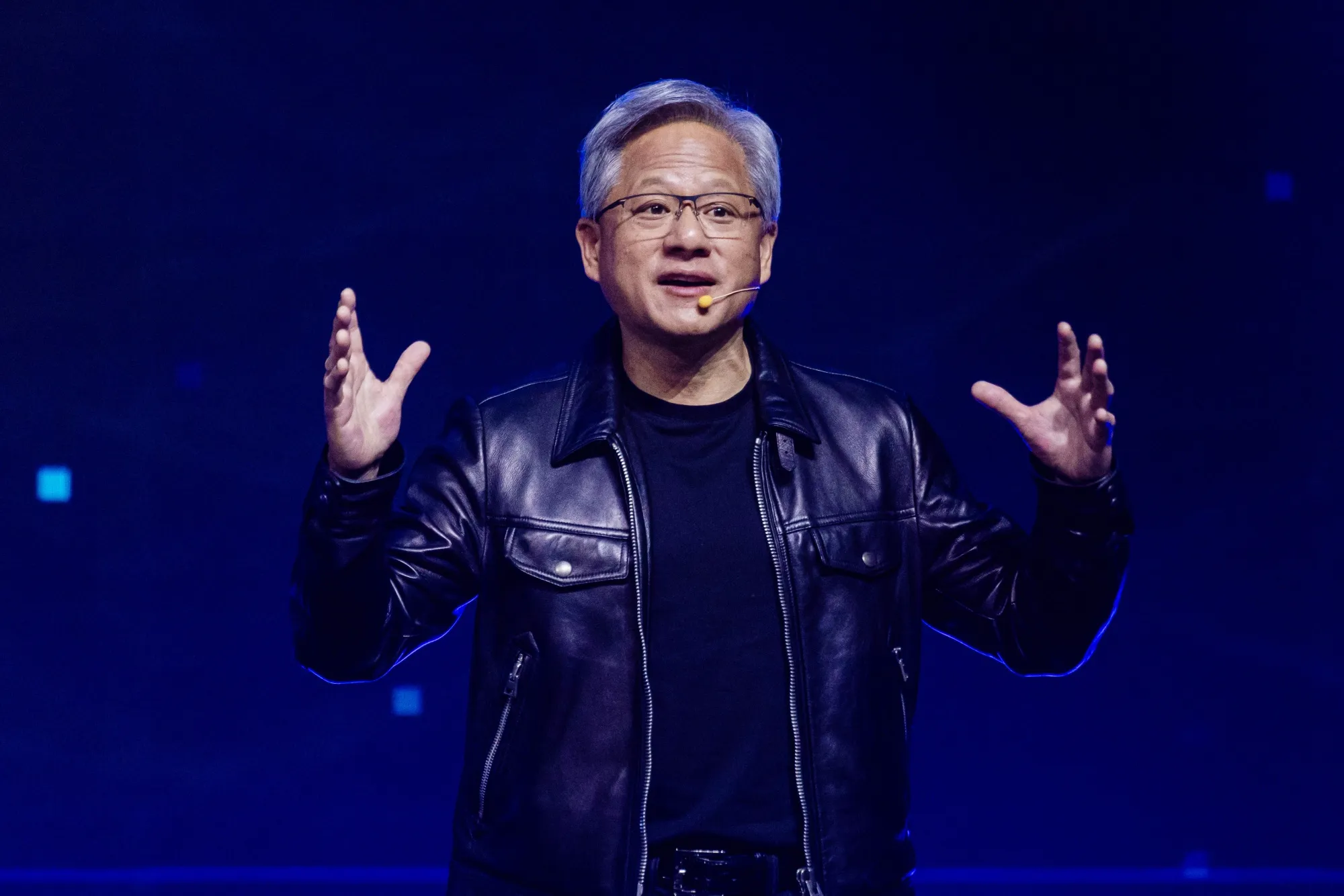
Under CEO Jensen Huang, Nvidia has become the bellwether for the AI infrastructure buildout — its results are treated less like a single company's earnings and more like a proxy for the health of the entire sector. A soft guidance number can ripple through semiconductor names, cloud providers, and even the broader indices, given how large Nvidia's weight has grown in major benchmarks.
That outsized influence is exactly why the stakes felt different this time. Investors weren't just asking "did Nvidia beat estimates" — they were asking whether the company's valuation, built on years of triple-digit growth expectations, could keep being justified as growth rates naturally start to normalize off a much larger revenue base.
The Bigger Picture for Tech Investors
Whatever the immediate market reaction, the report offered a useful lesson for student investors: single-stock events can move an entire sector when a company becomes as structurally important as Nvidia has to the AI supply chain. Watching how the stock, its semiconductor peers, and the broader Nasdaq reacted in the days after the print is a good real-world case study in how concentrated a modern market rally can become.